Beijing, the vibrant capital of China, is a fascinating blend of ancient tradition and modern dynamism, making it a must-visit destination for travelers seeking a deep dive into China’s rich history and culture. Steeped in more than 3,000 years of history, the city is home to some of China’s most iconic landmarks, such as the Forbidden City, the Great Wall of China, and the Temple of Heaven.
With its grand palaces, ancient temples, and sprawling parks, Beijing is a living museum where visitors can explore dynastic legacies alongside bustling markets and contemporary art scenes. The city is also a food lover’s paradise, offering everything from traditional Peking duck to vibrant street food markets. Whether you’re admiring its imperial architecture, experiencing its fast-paced urban culture, or tasting its culinary delights, Beijing provides a captivating mix of old and new, making it a city like no other.
The Temple of Heaven
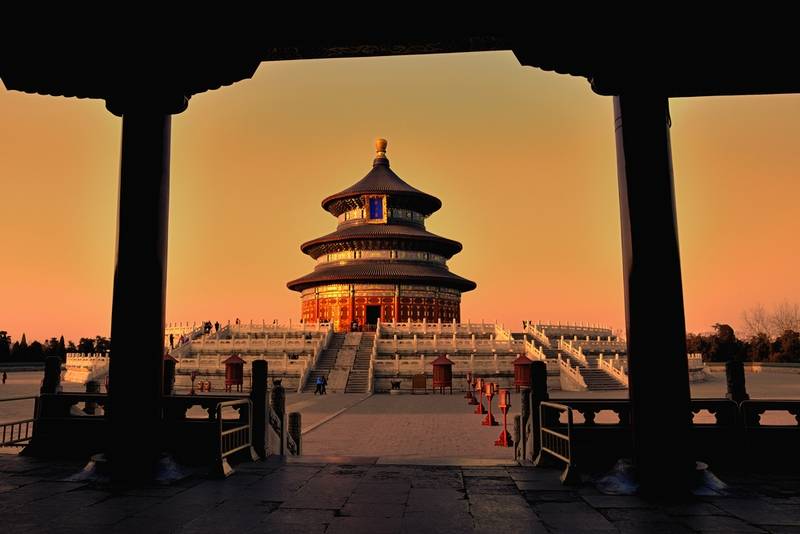
The temple of heaven, it used to be visited annually by the Emperors to pray for good harvest. lu-jinrong/shutterstock
The Temple of Heaven (Tiāntán) is one of Beijing’s most iconic landmarks, a stunning example of classical Chinese architecture and a symbol of the country’s spiritual heritage. Located in the heart of the city, this vast imperial complex was built in the 15th century during the Ming Dynasty as a place for the emperor to pray for good harvests and divine favor.
The temple is renowned for its intricate design, which reflects the ancient Chinese belief in the connection between heaven and earth. The most striking structure is the Hall of Prayer for Good Harvests, a magnificent wooden building with a unique triple-gabled roof, set against a backdrop of serene gardens and verdant parkland. Visitors can also explore the surrounding grounds, which are laid out according to strict cosmic principles, and the Echo Wall, where a whisper can be heard across great distances. Today, the Temple of Heaven is a UNESCO World Heritage site and a peaceful retreat, offering a rare glimpse into China’s rich religious and cultural traditions.
The Forbidden City
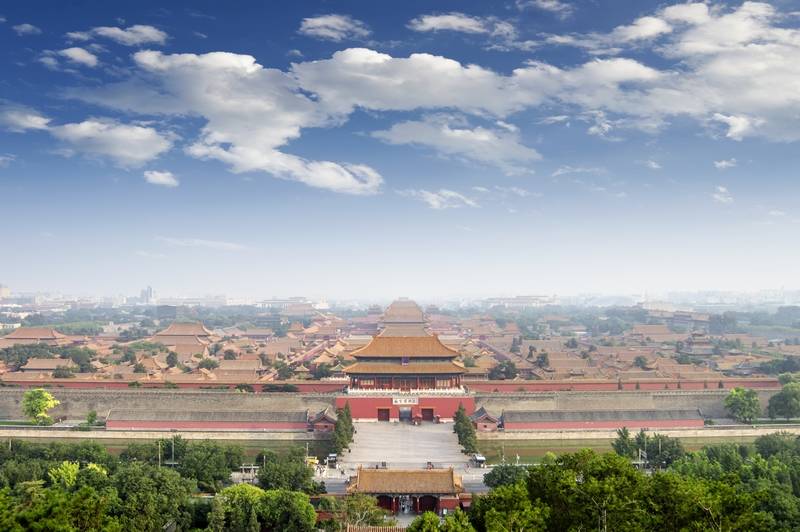
The Forbidden City. It served as home of the emperors of China for 500 years. fuyu-liu/shutterstock
The Forbidden City (Zǐjìn Chéng), a majestic palace complex at the heart of Beijing, is one of the world’s most impressive architectural and cultural treasures. Serving as the imperial palace for nearly 500 years, from the Ming Dynasty through to the end of the Qing Dynasty, the Forbidden City is an extraordinary symbol of Chinese imperial power and grandeur. The vast complex, covering over 180 acres, consists of nearly 1,000 buildings, including halls, courtyards, and gardens, all meticulously arranged according to ancient Chinese principles of Feng Shui. The name “Forbidden City” comes from the fact that access was strictly reserved for the emperor, his family, and his court, with ordinary citizens forbidden from entering.
Today, the Palace Museum housed within the Forbidden City displays an unparalleled collection of art, antiques, and imperial artifacts, providing visitors with a fascinating insight into China’s royal history. The palace’s striking red walls, golden roofs, and intricate carvings stand as a testament to the country’s imperial past, making it a must-see for anyone visiting Beijing.
Tiananmen Square
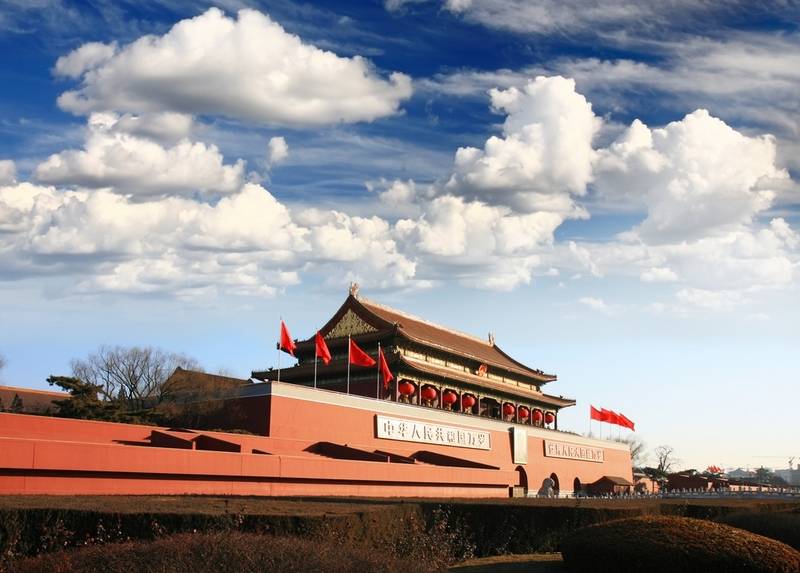
Tiananmen gate, entrance to the Forbidden City. gary718/shutterstock
Tiananmen Square, one of the largest public squares in the world, is a historic and symbolic heart of Beijing. Located at the center of the city, the square has played a pivotal role in Chinese history, serving as the site of many important events, from the founding of the People’s Republic of China in 1949 to significant political movements in the 20th century. The square is surrounded by some of Beijing’s most iconic landmarks, including the Gate of Heavenly Peace (Tiānmén), which serves as the entrance to the Forbidden City, and the towering Monument to the People’s Heroes, a tribute to those who have shaped modern China.
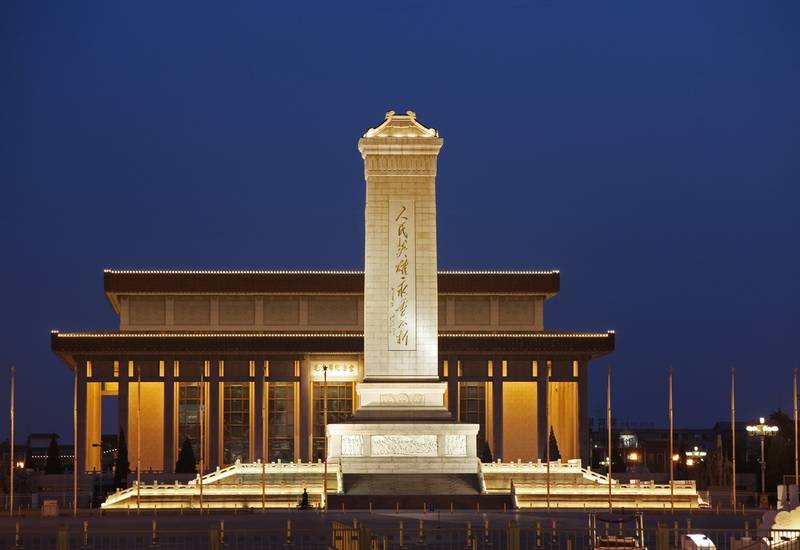
The mausoleum of Mao Zedong, the greatly revered former president of China. testing/shutterstock
At the southern end of the square stands the Mausoleum of Mao Zedong, where the embalmed body of the country’s founding father lies in state. Tiananmen Square is also a popular gathering place for both locals and tourists, offering a blend of cultural significance, historical weight, and impressive architecture. Whether you’re exploring its vast expanse, taking in the changing of the guard ceremony, or reflecting on its historical importance, Tiananmen Square is a must-see for anyone visiting Beijing.
The Summer Palace
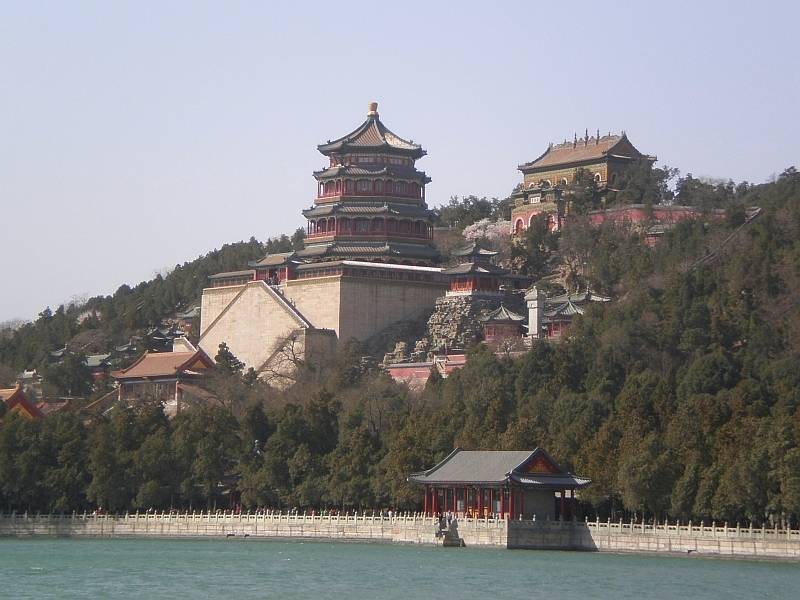
The Summer Palace, summer retreat of the Empress Dowager Cixi.
The Summer Palace (Yíhé Yuán) is one of Beijing’s most serene and beautiful landmarks, offering a peaceful escape from the hustle and bustle of the city. Located in the northwest of Beijing, this vast imperial garden was originally constructed in the 18th century during the Qing Dynasty as a summer retreat for emperors and their families. The palace complex is set around the scenic Kunming Lake and Longevity Hill, with lush gardens, tranquil pavilions, ornate bridges, and winding pathways that showcase the grandeur of Chinese landscape design.
The highlight of the Summer Palace is the Long Corridor, a beautifully painted walkway that stretches over 700 meters and offers stunning views of the lake. Visitors can also enjoy a boat ride on Kunming Lake, explore the magnificent Tower of Buddhist Incense, and admire the intricate Seventeen-Arch Bridge that spans the water. With its harmonious blend of natural beauty and architectural elegance, the Summer Palace provides a captivating glimpse into China’s royal past and a relaxing retreat for those exploring Beijing.