Tucked away in the North Atlantic Ocean, halfway between Iceland and Norway, the Faroe Islands are a stunning archipelago of 18 rugged islands known for their dramatic landscapes, charming villages, and rich Viking heritage. This remote, yet increasingly popular, destination is a haven for nature lovers, adventure seekers, and anyone looking to escape the crowds and experience a truly unique corner of the world. The Faroe Islands have a long history, dating back to their settlement by Norsemen in the 9th century, and their culture still carries the influence of Viking traditions, alongside a strong connection to the sea. Over the centuries, the islands have remained relatively untouched by mass tourism, preserving their untouched beauty, steep cliffs, sweeping fjords, and rolling green hills.
Getting to the Faroe Islands is part of the adventure. The capital city, Tórshavn, is the gateway to the islands, and there are regular flights from major cities like Copenhagen (Denmark) and Reykjavik (Iceland), making it relatively easy to reach despite the islands’ remote location. Ferries also connect the islands, offering stunning views of the surrounding waters. Once you’re on the islands, the best way to explore is by car, bus, or even by foot, as the roads wind through dramatic mountain passes, along coastlines, and between isolated villages. The islands’ small population and vast, open landscapes make it feel like a place suspended in time, where the slow pace of life and the connection to nature are both an invitation and a welcome escape from the everyday.
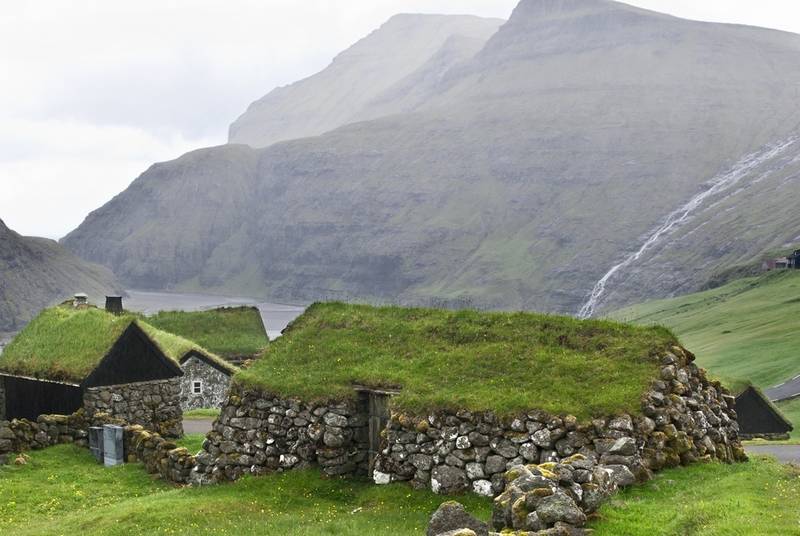
Old stone houses on the islands. eric-isselee/shutterstock
Gasadalur Waterfall
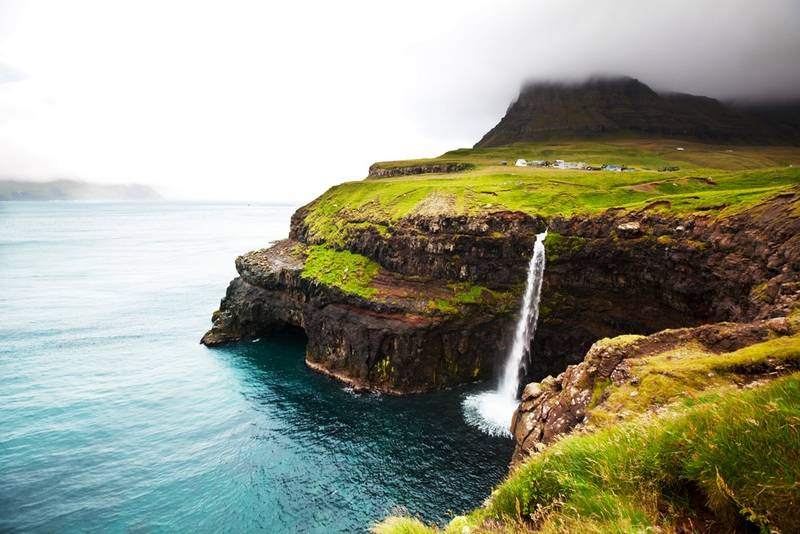
Gasadalur Waterfall. galyna-andrushko/shutterstock
One of the most breathtaking sights in the Faroe Islands is the Gasadalur Waterfall, a stunning cascade that seems to tumble straight from the cliffs into the Atlantic Ocean below. Located near the village of Gasadalur on the island of Vágar, this waterfall is framed by the dramatic landscape of steep, green mountains, and the surrounding fjords. The falls are particularly striking against the backdrop of the rugged cliffs, and its beauty is enhanced by the small, picturesque village nearby, which was once isolated and accessible only by foot until a tunnel opened in 2006.
The hike to the waterfall is relatively short but offers incredible views of the coastline and surrounding mountains, making it a favorite spot for photographers and nature enthusiasts. For those looking to experience a quieter, more tranquil side of the Faroe Islands, Gasadalur and its waterfall are a must-see—an awe-inspiring reminder of the power and beauty of nature.
Torshavn, The Charming Capital of the Faroe Islands
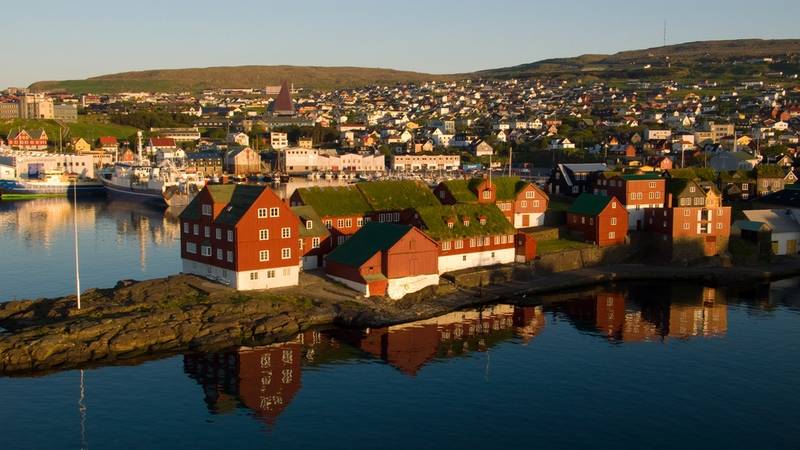
The capital Torshavn. roland-zihlmann/shutterstock
Tórshavn, the capital city of the Faroe Islands, is a small but vibrant town full of history, culture, and Nordic charm. Nestled on the island of Streymoy, Tórshavn is one of the smallest capitals in the world, with a population of around 20,000, yet it’s packed with character and offers a wealth of attractions for visitors. The city’s old town, known as Tinganes, is a maze of narrow streets lined with traditional grass-roofed houses, many of which date back to the 16th century. This picturesque area is where you’ll find the seat of the Faroese government, housed in beautiful old buildings that give Tórshavn its historic charm. A visit to Skansin Fort, a small fortress with sweeping views of the harbor, provides a glimpse into the city’s past and the strategic importance it held in Viking times.
Tórshavn is also home to a growing cultural scene, with museums like the National Museum of the Faroe Islands and the Faroese Art Museum, where you can learn about the archipelago’s history, art, and traditions. The town’s bustling harbor is a great place to stroll, with vibrant cafés and restaurants serving up fresh seafood and local delicacies. For a taste of modern Faroese life, head to the Mikladalur village square or explore the vibrant, colorful shops in the city center. Tórshavn’s combination of historical sites, modern culture, and stunning natural beauty makes it a perfect starting point for exploring the Faroe Islands.
Litla Dímun: The Mystical Island Shrouded in Clouds
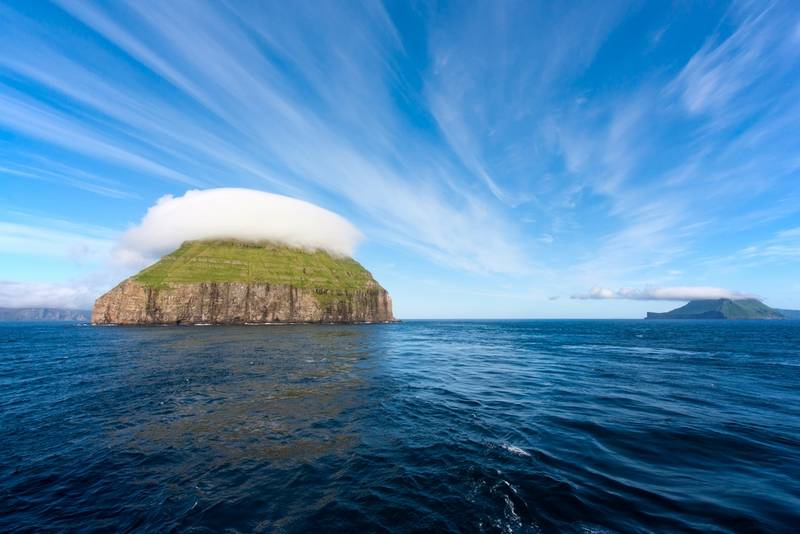
Litla Dimun with its unusual cloud formation. andrea-ricordi/shutterstock
Litla Dímun is one of the smallest and most remote islands in the Faroe Islands, but it is also one of the most striking, known for its dramatic cliffs and the often mystical cloud formations that envelop it. Located between the islands of Streymoy and Suðuroy, Litla Dímun is a rugged, uninhabited island with steep slopes that rise sharply from the ocean, creating a truly dramatic silhouette. The island’s size and isolation contribute to its ethereal beauty, and it’s often cloaked in a veil of low-lying clouds that swirl around its peaks, giving the island an almost otherworldly appearance. This cloud cover is particularly prominent in the early morning or after rain, adding to the island’s mysterious allure.
Because of its towering cliffs and remote location, Litla Dímun is inaccessible by road, making it a perfect destination for adventurous hikers and nature enthusiasts. The island is home to a variety of seabirds, and its sheer cliffs create a stunning backdrop for those who make the journey to see it. While Litla Dímun may be difficult to visit directly, its captivating beauty, especially with the clouds that seem to rise from the ocean, makes it a remarkable natural feature of the Faroe Islands, visible from surrounding islands and a sight that draws attention from visitors eager to experience the island’s wild, untouched nature.
Mykines Island
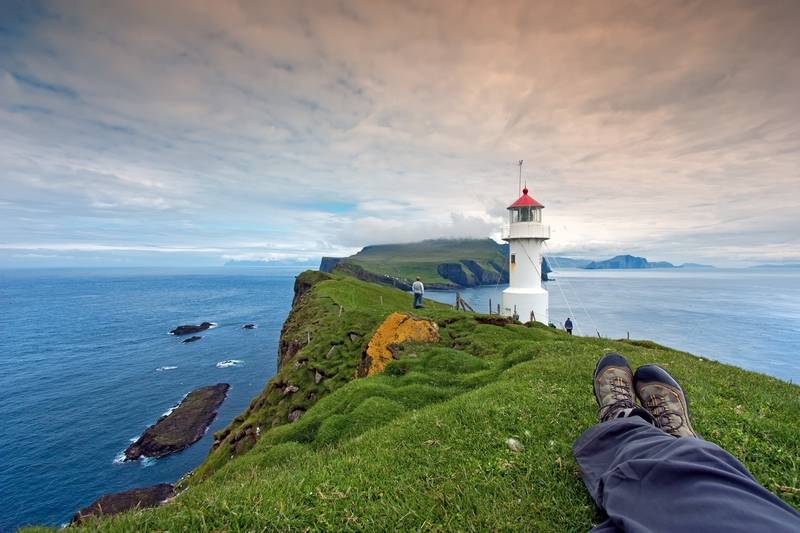
Mykines lighthouse. andrea-ricordi/shutterstock
Perched on the westernmost point of Mykines, one of the Faroe Islands’ most isolated and scenic islands, the Mykines Lighthouse is a symbol of both beauty and resilience. Standing at the edge of the Atlantic Ocean, the lighthouse has been guiding ships safely for over a century, offering a stunning vantage point over dramatic cliffs and the surrounding sea. The island of Mykines is known for its rugged landscapes, including sweeping green hills, steep cliffs, and an abundance of birdlife, most notably puffins during the summer months.
Reaching the lighthouse requires a challenging but rewarding hike, as visitors make their way across the island’s rough terrain, often walking along cliff edges and through fields dotted with wildflowers. The lighthouse itself, with its distinctive white and red striped tower, is a picturesque landmark that seems to be one with the elements, standing strong against the fierce winds and often misty conditions of the Atlantic. For those who make the trek, the view from the lighthouse is nothing short of breathtaking—an unforgettable scene where sky and sea meet in their wild beauty, a must-see for any nature lover or adventure seeker visiting the Faroe Islands.
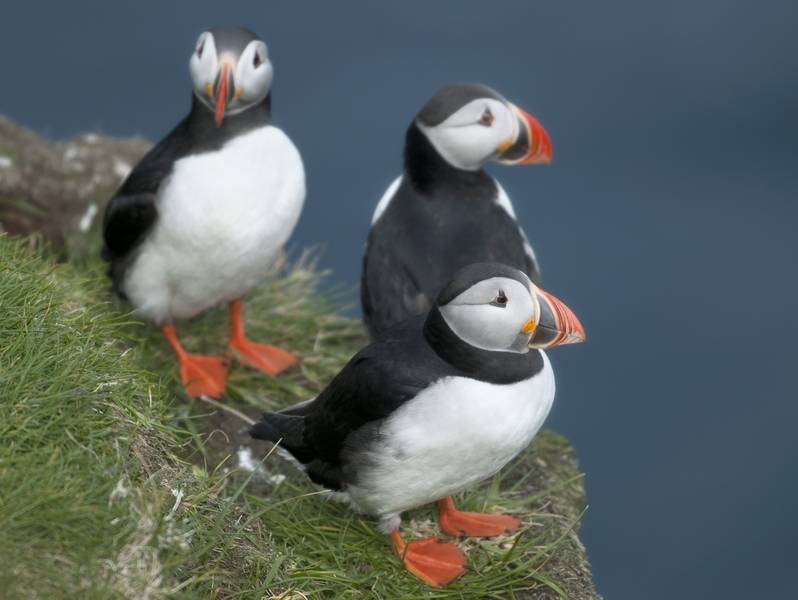
Atlantic Puffins on Mykines. eric-isselee/shutterstock