In the heart of Italy, Tuscany is a region renowned for its breathtaking landscapes, rich history, and world-class art. From the rolling hills and vineyards that stretch across its countryside to the medieval cities of Florence, Pisa, and Siena, Tuscany offers a perfect blend of natural beauty and cultural heritage. Visitors can explore the Renaissance masterpieces of Florence, indulge in the region’s renowned cuisine and wines, and wander through charming villages where time seems to stand still. Whether you’re enjoying a leisurely wine tour, exploring ancient towns, or simply taking in the stunning vistas, Tuscany promises a truly unforgettable experience for any traveler.
Florence
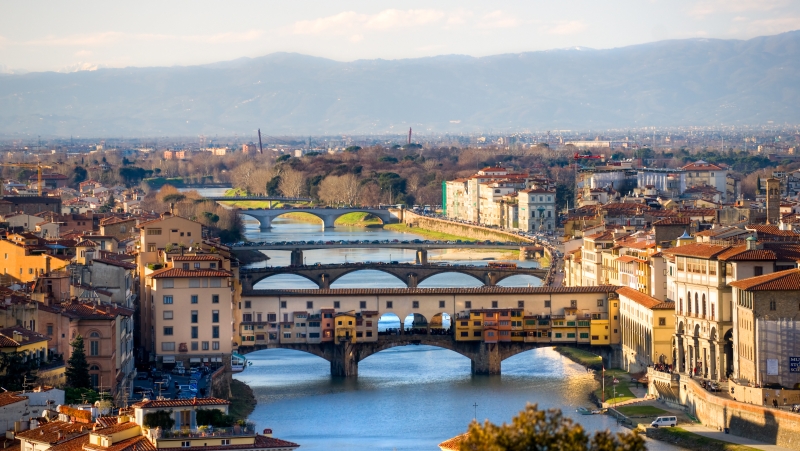
Ponte Vecchio, Florence. luciano-mortula/shutterstock
Florence, the capital of Tuscany, is often considered the birthplace of the Renaissance and a must-see destination for art, history, and culture lovers. The city’s stunning architecture, vibrant atmosphere, and wealth of artistic treasures make it a standout destination in Italy. Founded by the Romans and later flourishing under the Medici family, Florence has been a center of intellectual, artistic, and political life for centuries. The city is where legends like Leonardo da Vinci, Michelangelo, and Botticelli once worked, and their masterpieces can still be admired today in its museums and galleries. Florence’s historic center, a UNESCO World Heritage site, is a maze of cobblestone streets lined with beautiful palaces, churches, and squares that offer a glimpse into the city’s rich past.
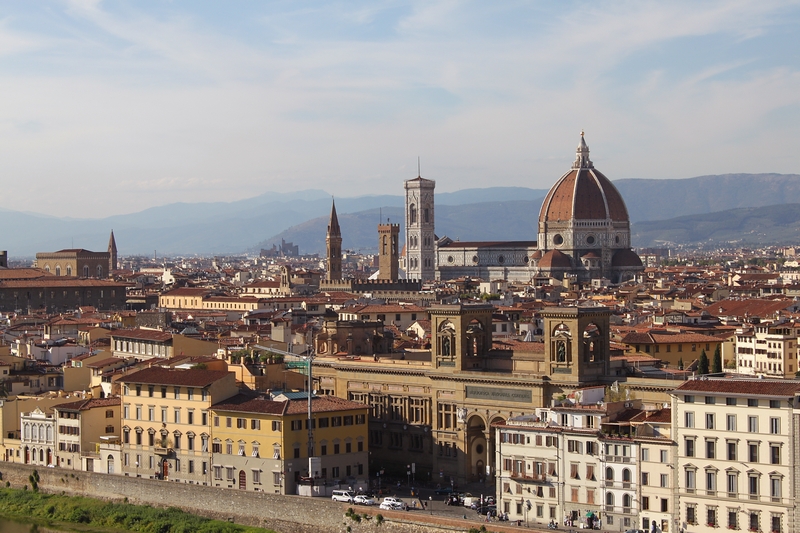
Santa Maria del Fiore Cathedral, Florence. ilona5555/shutterstock
The heart of Florence is the iconic Piazza del Duomo, home to the city’s world-famous cathedral, the Cattedrale di Santa Maria del Fiore. Dominating the skyline is its striking dome, designed by Filippo Brunelleschi, which can be climbed for panoramic views of the city. Nearby, the Piazza della Signoria is a vibrant square that hosts the Palazzo Vecchio, a grand Renaissance palace that once served as the seat of government. The square is also home to several notable sculptures, including a replica of Michelangelo’s David, which was originally displayed here. For art enthusiasts, the Uffizi Gallery is a must-visit, housing one of the most important collections of Renaissance artwork, including works by Botticelli, Raphael, and Caravaggio.
Florence is also known for its beautiful bridges, with the Ponte Vecchio being the most famous. This medieval bridge, lined with charming shops, spans the Arno River and offers picturesque views of the city. A short walk from the bridge leads to the Boboli Gardens, an expansive green space behind the Pitti Palace, offering a peaceful escape with beautiful fountains, sculptures, and panoramic views of Florence. Don’t forget to explore the city’s vibrant markets, like the Mercato Centrale, where you can sample Tuscan delicacies and shop for local goods. Whether you’re wandering through art-filled museums, savoring authentic Italian dishes, or simply soaking in the breathtaking architecture, Florence offers an unparalleled experience of Italy’s cultural richness.
Chianti
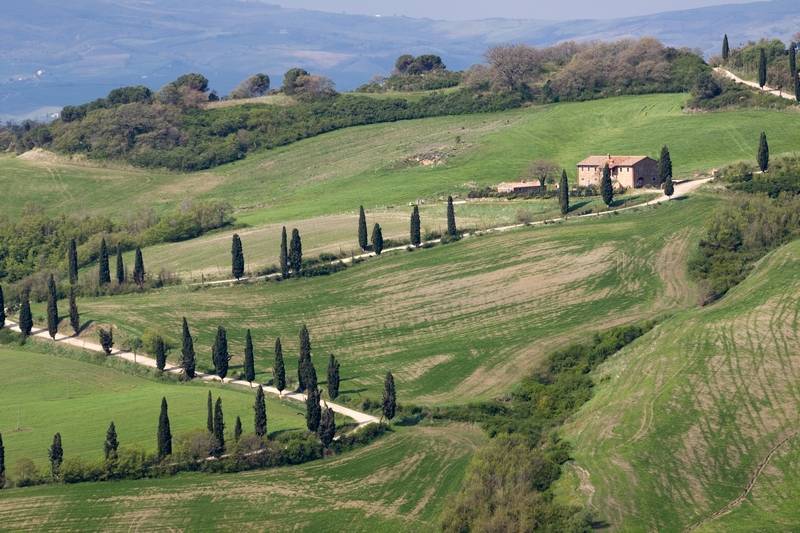
Val d’Orcia, Chianti. lucarelli-temistocle/shutterstock
Chianti, a picturesque region between Florence and Siena, is renowned worldwide for its rolling hills, vineyards, and charming medieval villages. Famous for its rich red wines, especially Chianti Classico, the area offers a perfect blend of natural beauty and cultural heritage. Visitors can explore the lush countryside, dotted with olive groves, castles, and small towns like Greve in Chianti and Radda in Chianti, where time seems to slow down.
Wine enthusiasts can tour numerous vineyards, tasting world-class wines while learning about the winemaking process that has been passed down through generations. In addition to its wine, Chianti boasts scenic hiking and cycling routes, where travelers can enjoy breathtaking views of vineyards and cypress-lined roads. Whether you’re savoring a glass of Chianti Classico at a local winery or wandering through its tranquil villages, the region offers a serene and immersive experience in the heart of Tuscany.
Pisa
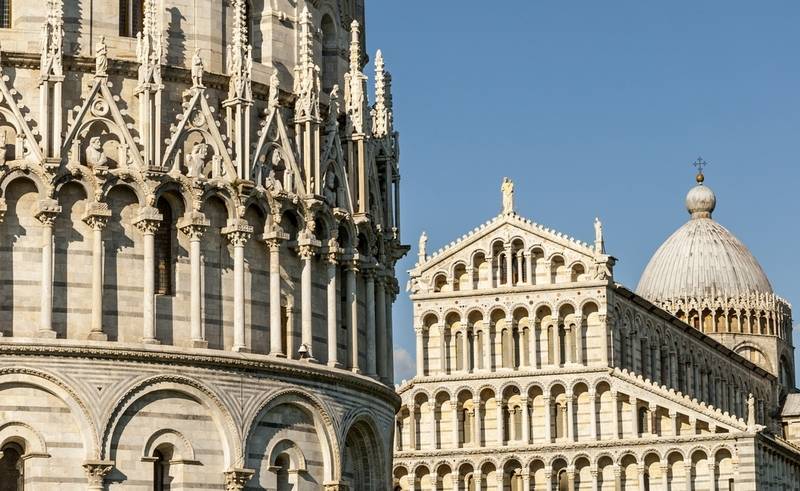
Leaning tower of Pisa and Cathedral. claudio-giovanni-colombo/shutterstock
Pisa, best known for its iconic Leaning Tower, is a charming city steeped in history and culture. Located along the Arno River in Tuscany, Pisa has much more to offer than just its famous monument. The Piazza dei Miracoli (Square of Miracles) is the heart of the city, home not only to the Leaning Tower but also to the Cattedrale di Santa Maria Assunta, a stunning example of Romanesque architecture, and the Battistero di San Giovanni, a beautiful baptistery known for its exceptional acoustics.
Beyond the square, Pisa boasts an array of historic buildings, museums, and a lively university atmosphere, as the city is home to one of Italy’s oldest universities. Strolling through the narrow streets of the historic center, visitors will find charming cafés, vibrant markets, and picturesque views of the Arno River. While the Leaning Tower may steal the spotlight, Pisa’s rich heritage and laid-back charm make it a rewarding destination to explore.
San Gimignano
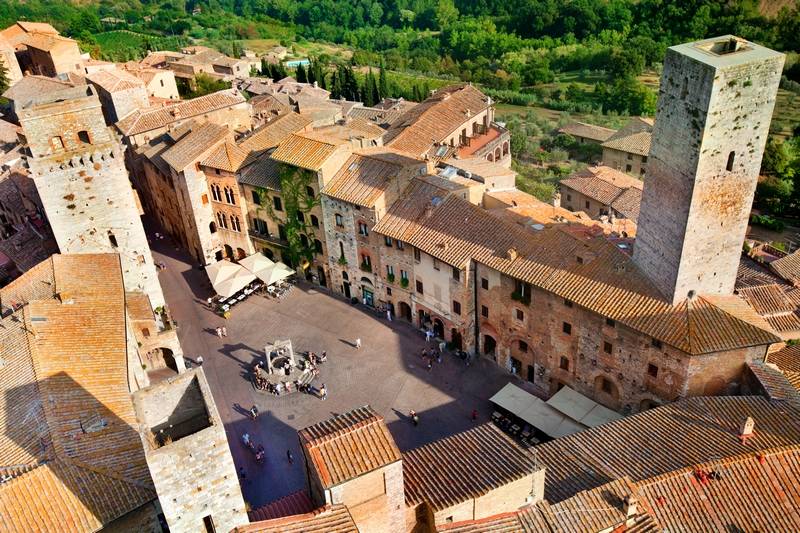
San Gimignano. nickolay-vinokurov/shutterstock
San Gimignano, often referred to as the “Medieval Manhattan” for its distinctive skyline of medieval towers, is one of Tuscany’s most enchanting hilltop towns. Located in the heart of the Chianti region, San Gimignano is renowned for its well-preserved architecture and charming cobblestone streets. The town’s 14 remaining towers, which once numbered over 70, were built by wealthy families during the 12th and 13th centuries to showcase their power and influence.
Visitors can wander through the narrow streets of the historic center, taking in the stunning views of the surrounding countryside, and explore landmarks like the Piazza della Cisterna and the Collegiate Church of Santa Maria Assunta, home to beautiful frescoes. San Gimignano is also famous for its local white wine, Vernaccia di San Gimignano, which can be sampled in the town’s many wine shops and restaurants. With its mix of history, art, and local flavors, San Gimignano offers a picturesque and timeless experience in the heart of Tuscany.
Siena
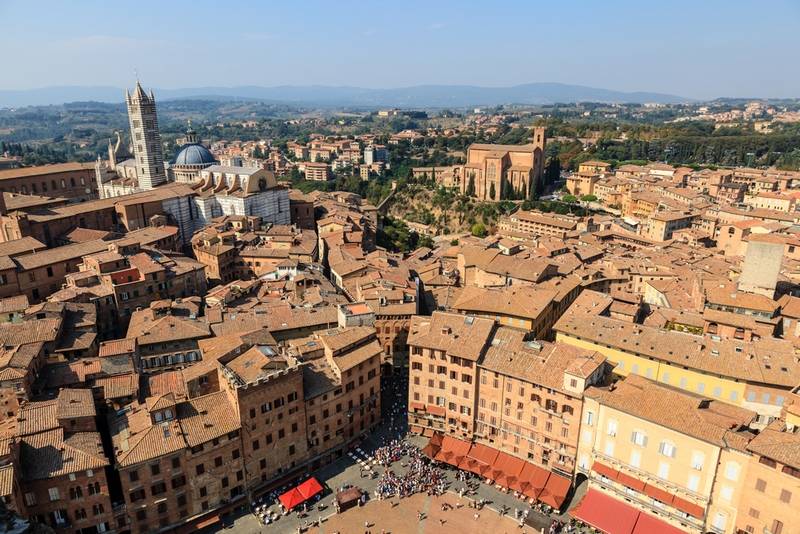
Piazza del Campo, Central Square of Siena. anshar/shutterstock
Siena, a medieval jewel in the heart of Tuscany, is a city where history, art, and tradition are beautifully preserved. Founded by the Etruscans, Siena flourished in the Middle Ages and became a powerful rival to Florence during the 13th and 14th centuries. Unlike many other Italian cities, Siena managed to retain much of its medieval character, with narrow, winding streets, ancient buildings, and stunning public squares. The city’s history is steeped in the rivalry between the different districts, or contrade, which still play an important role in Sienese life, especially during the famous Palio di Siena, a historic horse race held twice a year in the Piazza del Campo.
The heart of Siena is the breathtaking Piazza del Campo, one of Italy’s most beautiful squares. The sloping, shell-shaped square is surrounded by magnificent buildings, including the Palazzo Pubblico, which houses the Museo Civico and the famous Allegory of Good and Bad Government fresco by Ambrogio Lorenzetti. The Torre del Mangia, a towering bell tower that rises above the square, offers panoramic views of the city and the Tuscan countryside. Dominating the city skyline, however, is the Cattedrale di Santa Maria Assunta (Siena Cathedral), a striking Gothic masterpiece known for its intricate marble façade, stunning interior, and the remarkable Piccolomini Library, which is adorned with beautiful frescoes by Pinturicchio.
Beyond its famous landmarks, Siena is a city that rewards leisurely exploration. Visitors can wander through its medieval streets, discovering hidden piazzas, local boutiques, and traditional trattorias offering Sienese specialties like pici (a thick, hand-rolled pasta) and panforte (a spiced fruitcake). The Basilica di San Domenico, home to the relics of Saint Catherine of Siena, and the Museo dell’Opera del Duomo, which houses works by Donatello and Michelangelo, are also worth a visit. Whether you’re soaking in the atmosphere of the Palio or simply admiring the city’s art and architecture, Siena offers a captivating glimpse into the rich cultural tapestry of Tuscany.
Lucca
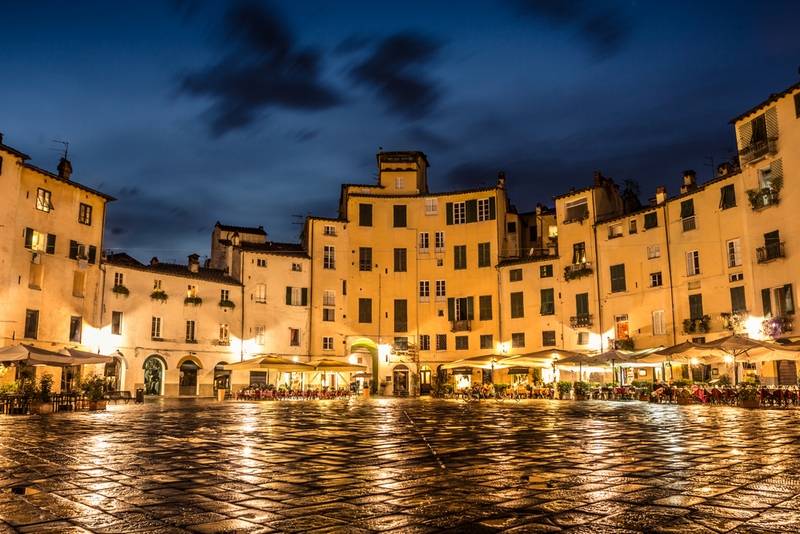
Amphitheater square in Lucca. alexsalcedo/shutterstock
Lucca, a charming walled city in northern Tuscany, is a hidden gem known for its well-preserved Renaissance architecture, cobblestone streets, and serene atmosphere. One of its most distinctive features is the nearly intact medieval city walls, which have been transformed into a beautiful tree-lined promenade that encircles the historic center. Walking or cycling along these walls provides stunning views of the city and its surrounding countryside. Inside the walls, visitors can explore the city’s quaint piazzas, narrow streets, and impressive landmarks, such as the Piazza dell’Anfiteatro, a unique oval-shaped square built on the site of an ancient Roman amphitheater, and the Torre Guinigi, a medieval tower with a rooftop garden offering panoramic views.
Lucca is also home to several historic churches, including the Basilica di San Frediano and the Duomo di San Martino, each showcasing beautiful Romanesque and Gothic architecture. Known for its relaxed, small-town charm, Lucca offers a peaceful escape from the more crowded Tuscan cities, with plenty of opportunities to enjoy local food, shop for artisan goods, or simply soak in the beauty of this timeless city
Monteriggioni
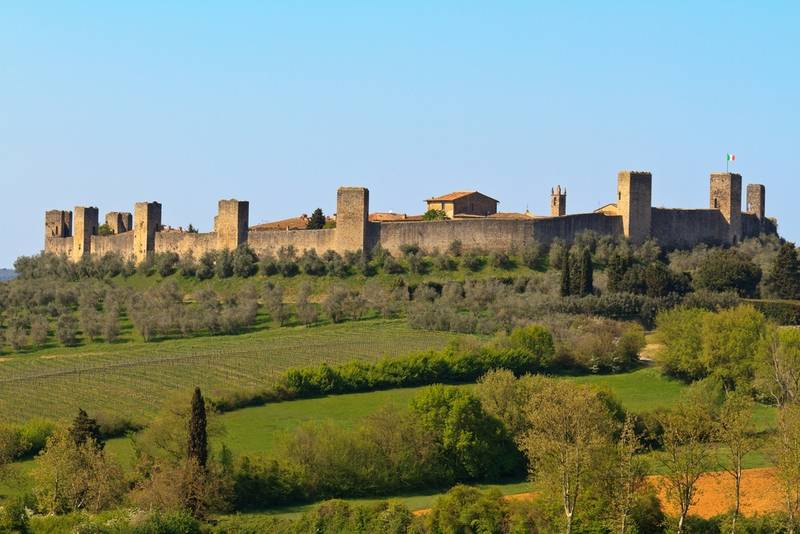
City of Monteriggioni bertl123/shutterstock
Monteriggioni, a captivating medieval town perched on a hilltop in the Chianti region, is one of Tuscany’s most enchanting and well-preserved gems. Encircled by its imposing, intact medieval walls, the town offers a glimpse into the past with its fortress-like appearance and charming narrow streets. First mentioned in the 13th century, Monteriggioni was originally built as a defensive outpost to protect Siena from potential attacks. Today, its stone walls, punctuated by 14 watchtowers, remain a defining feature of the town, making it a must-see for visitors interested in Tuscany’s medieval history. The town’s location, overlooking the rolling hills of Chianti, adds to its magical atmosphere, offering breathtaking panoramic views of the surrounding vineyards and olive groves.
Despite its small size, Monteriggioni is brimming with history. The town’s central square, Piazza Roma, is the heart of the community, surrounded by picturesque stone buildings, including the Church of Santa Maria, which dates back to the 12th century. Strolling through the town, visitors will encounter quiet, cobblestone lanes, charming shops selling local crafts and wines, and peaceful courtyards where time seems to stand still. The medieval walls can be explored by foot, providing access to the towers, which offer stunning views of the Tuscan countryside. A highlight for history enthusiasts is the Museo Monteriggioni in Arme, a small museum dedicated to the town’s military history, with exhibits showcasing medieval armor, weaponry, and artifacts.
In addition to its historical allure, Monteriggioni hosts a number of local festivals that celebrate its medieval heritage, such as the Festa Medievale, a lively event held each summer that transforms the town into a vibrant medieval fair with reenactments, music, and traditional food. Visitors can also enjoy the town’s peaceful ambiance, sipping a glass of Chianti wine in one of its cozy cafés or indulging in Tuscan delicacies at local trattorias. Whether you’re drawn to its rich history, stunning views, or quiet charm, Monteriggioni is a place that offers an authentic and unforgettable experience in the heart of Tuscany.