Set along the sun-drenched shores of the Tagus River, Lisbon is a city that effortlessly blends old-world charm with a vibrant, modern spirit. Portugal’s capital is known for its pastel-colored buildings, iconic yellow trams, and historic neighborhoods that climb the city’s famous seven hills. From the narrow, winding streets of Alfama to the grand plazas of Baixa, Lisbon feels both timeless and refreshingly alive.
Visiting Lisbon is as much about atmosphere as it is about sightseeing. The soulful sounds of fado drift from tucked-away taverns, viewpoints offer sweeping panoramas over terracotta rooftops, and cafés invite travelers to linger over strong coffee and warm pastéis de nata. With its rich maritime history, welcoming locals, excellent food scene, and year-round mild climate, Lisbon is a city that rewards curiosity and invites you to slow down, explore, and fall a little bit in love.
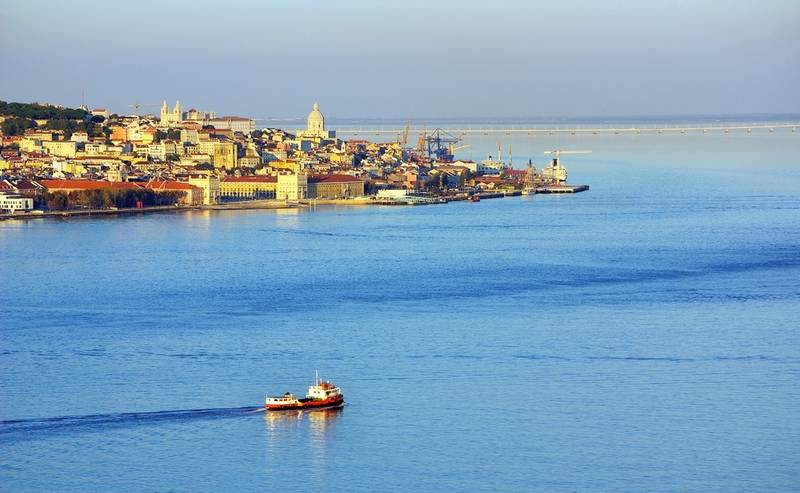
Lisbon and river Tagus. inacio-pires/shutterstock
Tower of Belem
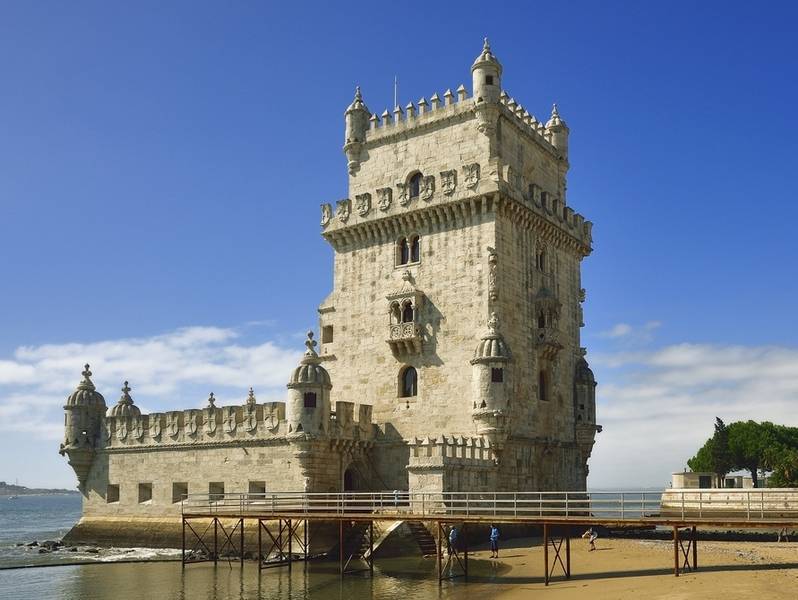
jpf/shutterstock
The Tower of Belém (Torre de Belém) is one of Lisbon’s most recognizable landmarks and a powerful symbol of Portugal’s Age of Discoveries. Built in the early 16th century during the reign of King Manuel I, the tower originally served as a defensive fortress guarding the entrance to the city’s harbor, as well as a ceremonial gateway for explorers setting sail across the oceans. Its ornate Manueline architecture—featuring maritime motifs, carved stonework, and Moorish influences—reflects the wealth and ambition of Portugal at the height of its seafaring power. Today, the tower is a UNESCO World Heritage Site and stands as a reminder of Lisbon’s deep connection to the sea.
Visiting the Tower of Belém offers both historical insight and beautiful river views, making it a must-see for first-time visitors. You can explore its narrow staircases, battlements, and observation points while imagining the explorers who once departed from these waters. The tower is located in the Belém district, west of Lisbon’s city center, and is easy to reach by public transport. Tram 15E from Praça da Figueira or Cais do Sodré stops nearby, as do several buses and the Belém train station. The riverside setting also makes it a pleasant stop on a longer walk or cycling route, especially when paired with nearby highlights like the Jerónimos Monastery and Pastéis de Belém.
The Beaches of Lisbon
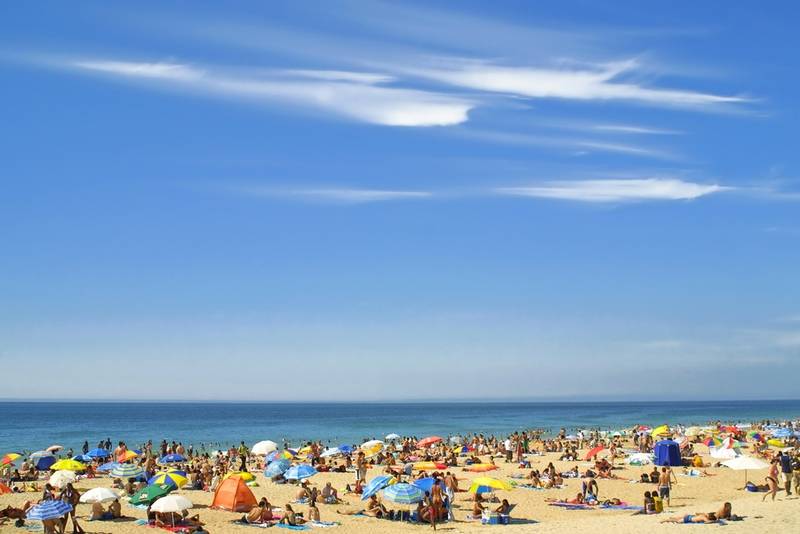
Carcavelos beach in Summer. katatonia82/shutterstock
One of the great things about visiting Lisbon is how easy it is to escape the city and reach the coast. While Lisbon itself sits on the Tagus River rather than the open ocean, a collection of excellent Atlantic beaches lies just a short trip away. These beaches range from lively urban stretches popular with surfers and locals to wild, wind-swept shores backed by dunes and cliffs, making them perfect for everything from sunbathing to surfing and sunset walks.
The most popular and accessible beaches are along the Cascais–Estoril coast. Carcavelos Beach is the closest and one of the liveliest, known for its long sandy stretch, beach bars, and surf-friendly waves. Farther along the line, beaches like Parede, Estoril, and Cascais offer calmer waters and a more relaxed atmosphere. These beaches are easily reached by train from Cais do Sodré station, with the scenic journey taking around 20–40 minutes depending on your stop. The train runs frequently and is one of the simplest ways to enjoy a beach day from Lisbon.
South of the city, the Costa da Caparica is another favorite, especially for its vast shoreline and laid-back vibe. With miles of sandy beaches, it’s ideal if you want more space and a classic beach-town feel. Buses run regularly from central Lisbon, and driving is also an easy option. For those seeking dramatic scenery and powerful waves, Praia do Guincho near Cascais is a standout. Known for its rugged beauty and strong winds, it’s popular with surfers and kiteboarders and is best reached by car or bus from Cascais. No matter which direction you choose, Lisbon’s beaches offer an easy and refreshing contrast to the city’s hills, history, and bustling streets.
The Fronteira Palace
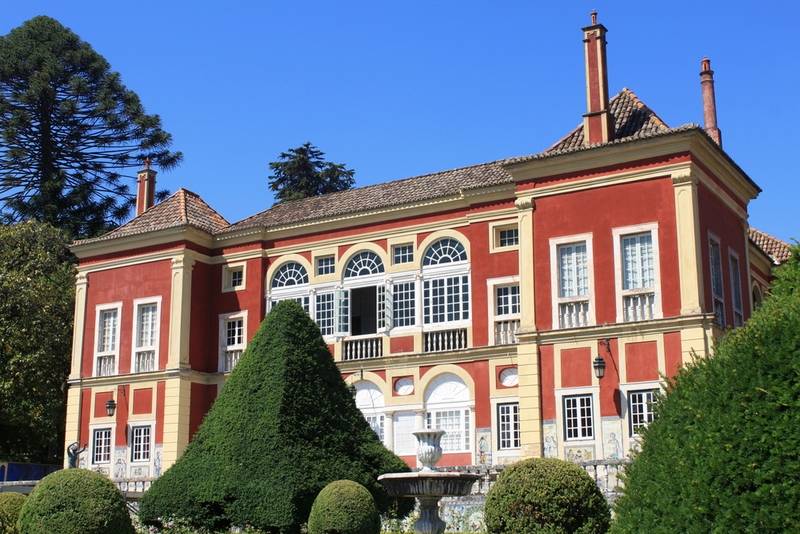
anasztazia/shutterstock
The Fronteira Palace (Palácio dos Marqueses de Fronteira) is one of Lisbon’s most beautiful yet lesser-known historical treasures. Built in the late 17th century as a hunting pavilion for Dom João de Mascarenhas, the first Marquis of Fronteira, the palace later became a noble residence and remains partly inhabited by the family today. While the palace interiors are elegant, it is the gardens that truly set Fronteira apart. They are renowned for their stunning azulejo panels, which depict allegorical scenes, royal portraits, hunting scenes, and everyday life in Portugal, offering a fascinating visual insight into the country’s history and artistic traditions.
Visiting Fronteira Palace provides a peaceful escape from Lisbon’s busier tourist sites and a chance to experience a more intimate side of Portuguese heritage. The gardens are open to the public and can be explored at a relaxed pace, with views stretching toward the Benfica area and the surrounding greenery. The palace is located just north of the city center and is best reached by a combination of metro and a short walk or taxi. From central Lisbon, take the Blue Line to Colégio Militar/Luz or Jardim Zoológico, then continue on foot or by taxi. Its tranquil setting and remarkable tilework make Fronteira Palace a rewarding stop for travelers interested in art, history, and quiet beauty.
The Igreja de São Roque, Barrio Alto and Chiado
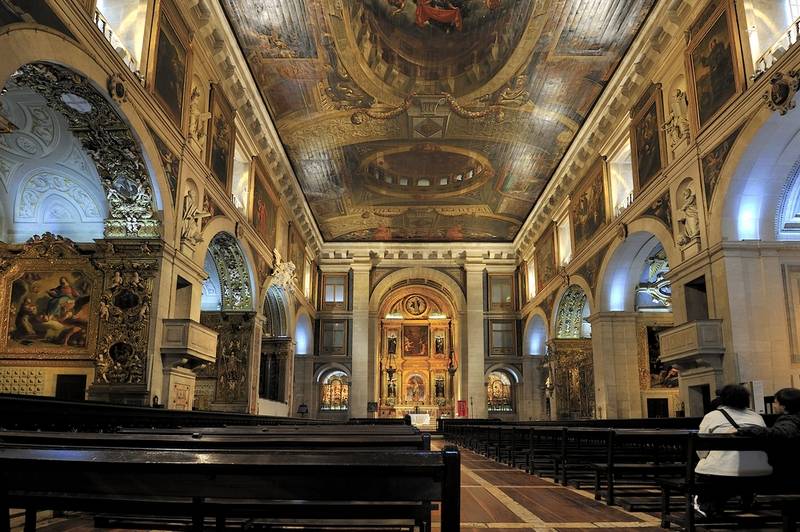
Igreja Sao Roque church. clearlens/shutterstock
The Igreja de São Roque is one of Lisbon’s most important churches, celebrated for its unexpectedly rich and ornate interior. Built in the late 16th century, it is one of the earliest Jesuit churches in the world and played a significant role in Portugal’s religious history. While its exterior is relatively modest, stepping inside reveals lavish Baroque decoration, intricate gilded woodwork, and a series of beautifully crafted chapels. The highlight is the Chapel of Saint John the Baptist, commissioned in Rome in the 18th century and once considered the most expensive chapel in Europe, showcasing extraordinary artistry and craftsmanship.
The Igreja de São Roque is ideally located for exploring two of Lisbon’s most atmospheric neighborhoods: Bairro Alto and Chiado. Just outside the church, Bairro Alto’s narrow streets come alive in the evenings with traditional taverns, fado houses, and lively bars, while during the day it retains a quiet, local charm. Nearby Chiado offers a more refined atmosphere, known for its historic cafés, elegant shops, and cultural landmarks such as the Teatro Nacional de São Carlos and the Bertrand Bookstore, the world’s oldest operating bookstore. Scenic viewpoints like the Miradouro de São Pedro de Alcântara, only a short walk away, provide sweeping views over the city and the Tagus River.
From São Roque, it’s easy to follow a pleasant walking route that connects several of Lisbon’s highlights. Start by strolling through Bairro Alto toward the Miradouro de São Pedro de Alcântara, then continue downhill into Chiado to visit cafés like A Brasileira and explore the surrounding squares. From there, the walk naturally leads toward Baixa, passing landmarks such as the Santa Justa Lift and Rossio Square. This route allows visitors to experience Lisbon’s changing neighborhoods on foot, blending historic sights, city views, and everyday life into one rewarding walk.