Cyprus is a sun-kissed Mediterranean island where ancient history, beautiful coastlines, and warm hospitality come together in a uniquely relaxed setting. Located at the crossroads of Europe, Asia, and the Middle East, the island has been shaped by thousands of years of civilizations, from Ancient Greeks and Romans to Byzantines, Venetians, and Ottomans. This rich past is visible everywhere—from archaeological sites and medieval castles to historic churches and mosaics—set against a backdrop of turquoise seas and rugged mountain landscapes.
Visiting Cyprus offers something for every type of traveler. Beach lovers are drawn to its clear waters and sandy shores, culture seekers can explore UNESCO-listed ruins and traditional villages, and food lovers will enjoy long, leisurely meals filled with meze, fresh seafood, and local wine. With its laid-back pace of life, friendly locals, and long sunny seasons, Cyprus is an ideal destination for those looking to combine history, nature, and easygoing Mediterranean charm in one unforgettable trip.
The Beaches
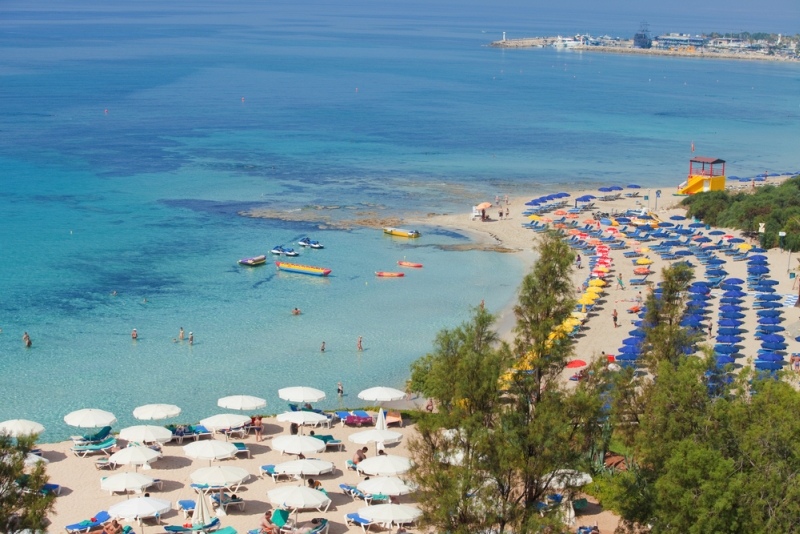
Ayia Napa. lia-koltyrina/shutterstock
Cyprus is home to some of the most beautiful beaches in the Mediterranean, known for their clear turquoise waters, soft sand, and relaxed atmosphere. Whether you’re looking for lively beach resorts, quiet coves, or family-friendly shores, the island offers a wide variety of coastal experiences. Many beaches are well organized with sunbeds, cafés, and water sports, while others remain wonderfully unspoiled, backed by cliffs or nature reserves.
Among the most famous beaches is Nissi Beach in Ayia Napa, loved for its white sand, shallow water, and vibrant summer energy. Nearby Protaras offers calmer options such as Fig Tree Bay, ideal for swimming and families. On the west coast, Coral Bay near Paphos is a popular sandy beach set in a scenic bay, while nature lovers will appreciate Lara Beach, part of a protected area known for its wild beauty and sea turtle nesting sites. For dramatic scenery, Alykes and Governor’s Beach near Limassol feature striking white cliffs and darker sand, creating a unique coastal landscape.
Most of Cyprus’s main beaches are easy to reach, especially those near resort towns. Renting a car is the most flexible way to explore the coastline and access more remote spots like Lara Beach. However, buses run regularly between major towns and popular beaches, particularly in summer. Taxis and organized tours are also widely available. With good infrastructure and short driving distances, visiting Cyprus’s beaches is simple and rewarding, allowing travelers to enjoy a different stretch of coast almost every day.
The Rock of Aphrodite
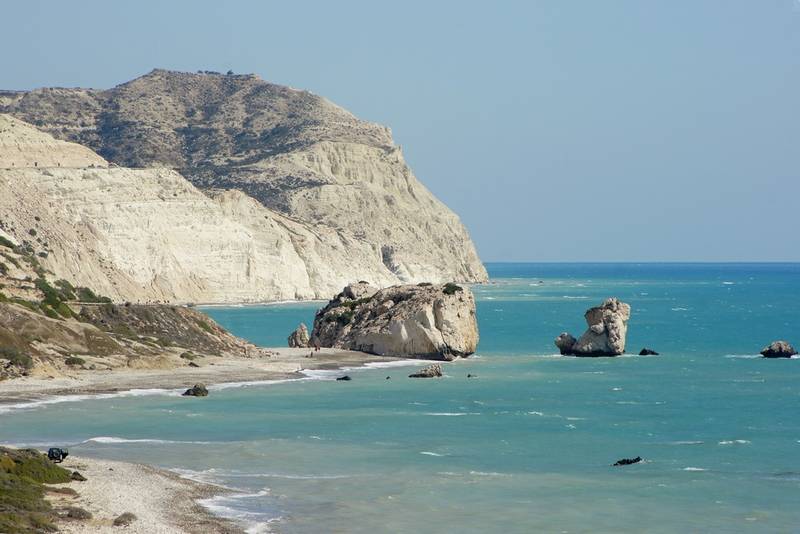
Rock of Aphrodite. alfotokunst/shutterstock
The Rock of Aphrodite, or Petra tou Romiou, is one of Cyprus’s most iconic natural landmarks, steeped in legend as the mythical birthplace of the goddess of love. Rising dramatically from the turquoise Mediterranean waters, the rock is surrounded by a picturesque stretch of coastline that offers both stunning views and a sense of timeless beauty. Visitors can walk along the pebbled beach, take in the waves crashing against the cliffs, and capture unforgettable photographs at sunset when the golden light illuminates the rugged scenery. The area is easily accessible by car from Paphos, with nearby parking and small local cafés, making it a perfect stop on a coastal day trip. The surrounding coast also offers smaller coves and quieter beaches, ideal for swimming or simply enjoying the serene Mediterranean atmosphere.
Kykkos Abbey
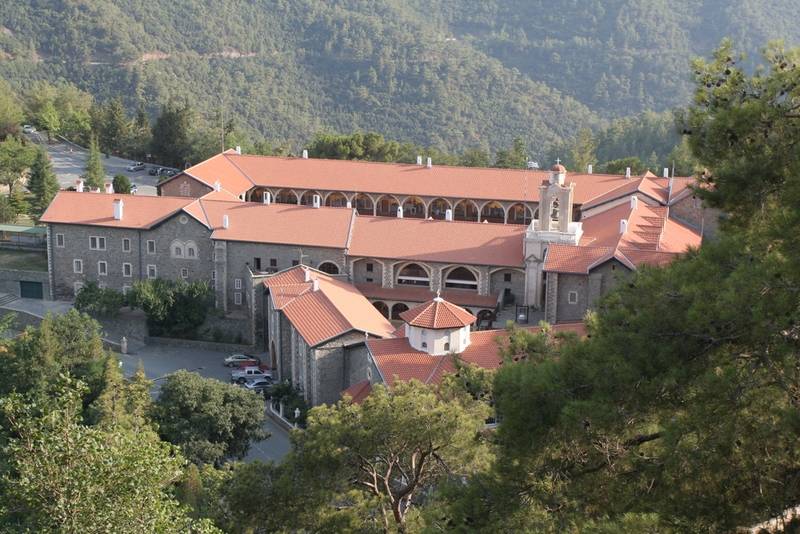
Kykkos abbey, Troodos mountains. dainis-derics/shutterstock
Perched high in the Troodos Mountains, Kykkos Monastery is one of Cyprus’s most famous and historically significant religious sites. Founded in the 11th century and rebuilt in the 18th century, the monastery is dedicated to the Virgin Mary and is famed for housing a richly adorned icon of the Virgin, believed to have been painted by the Apostle Luke. Visitors are drawn to its ornate frescoes, golden decorations, and peaceful cloisters, as well as the surrounding mountain scenery, which offers fresh air and panoramic views of the Troodos range. Kykkos also provides insight into the island’s monastic life and its centuries-long role as a spiritual and cultural center.
Reaching Kykkos is easiest by car, as it is located about 45 minutes from the town of Paphos and roughly an hour from Nicosia. The drive takes you through winding mountain roads dotted with charming villages and lush forests, making the journey itself a highlight. There are also guided tours available from major cities and resorts, which often include stops at nearby villages and viewpoints, allowing travelers to fully appreciate the natural beauty and history of this unique region.
Tombs of the Kings
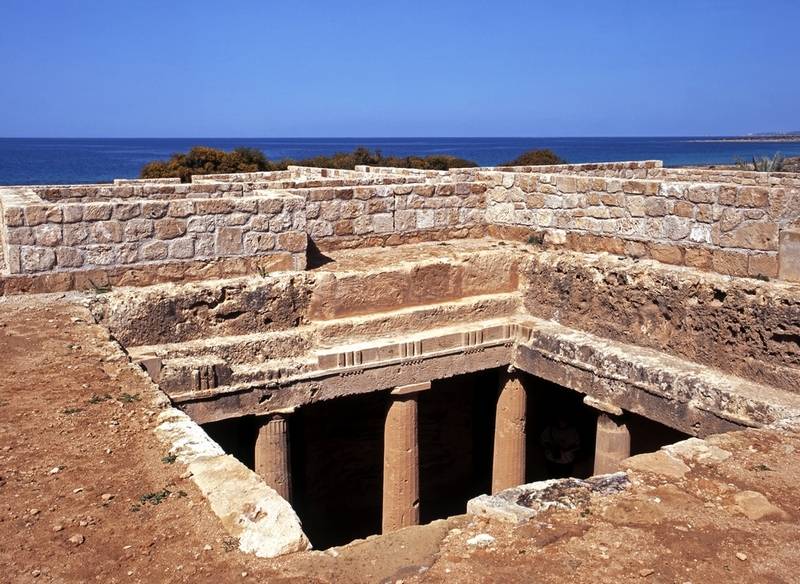
Tombs of the Kings, Paphos. arena-photo-uk/shutterstock
The Tombs of the Kings is one of Cyprus’s most fascinating archaeological sites, offering a glimpse into the island’s Hellenistic and Roman past. Despite the name, the site was not exclusively used for royalty; it served as a burial ground for high-ranking officials and aristocrats between the 4th century BCE and the 3rd century CE. Carved directly into the solid rock, the tombs feature impressive Doric columns, underground chambers, and intricate frescoes, creating a striking and atmospheric experience that transports visitors back in time. The site is a UNESCO World Heritage landmark and is complemented by scenic views over the Paphos coastline, making it both a historical and visually stunning destination.
The Tombs of the Kings are located about 2 kilometers north of Paphos harbor, making them easily accessible by car, taxi, or local bus. From the harbor area, buses run regularly and drop visitors near the entrance, or a short walk from the coastal promenade will also bring you there. The site is well signposted and includes a visitor center with informative displays, making it straightforward to explore independently while learning about the ancient burial practices and history of Cyprus.
Kyrenia
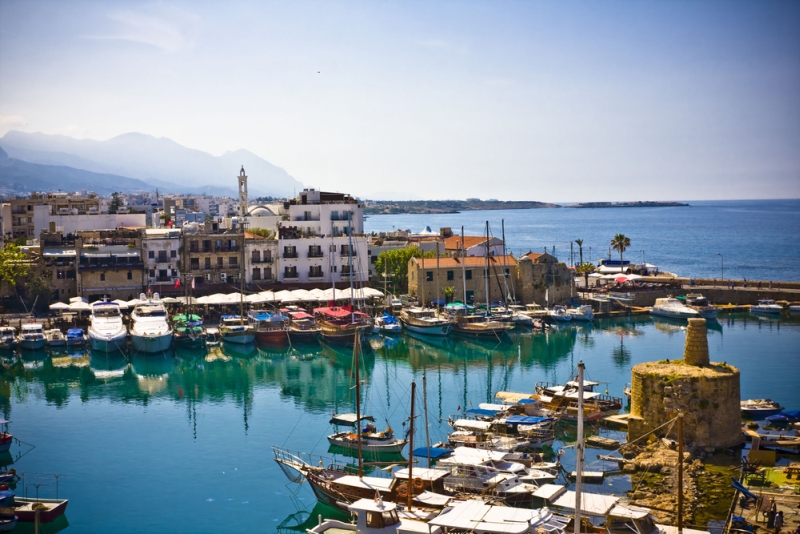
Marina of Kyrenia. anilah/shutterstock
Kyrenia is a charming coastal town in Northern Cyprus, renowned for its picturesque harbor, historic castle, and vibrant Mediterranean atmosphere. The town’s iconic Kyrenia Castle dates back to the Byzantine era and houses a fascinating shipwreck museum, while the waterfront is lined with cafés, restaurants, and boutiques, perfect for a leisurely stroll. Beyond the harbor, narrow streets reveal traditional architecture, local markets, and the relaxed pace of island life, making Kyrenia a perfect mix of history, culture, and seaside charm. The surrounding coastline also offers stunning views of the Taurus Mountains meeting the sea, providing scenic spots for photography and exploration.
Reaching Kyrenia depends on where you’re starting, as it is located about 30 kilometers east of Nicosia. If you’re traveling from the south, visitors typically cross via the Green Line and entry points, with car rental or guided tours being the easiest options. From Nicosia or other parts of Northern Cyprus, buses and taxis regularly connect to Kyrenia, making it accessible for both day trips and longer stays. Driving along the coastal road offers beautiful sea views and a chance to explore nearby villages along the way, enhancing the overall experience of visiting this historic harbor town.